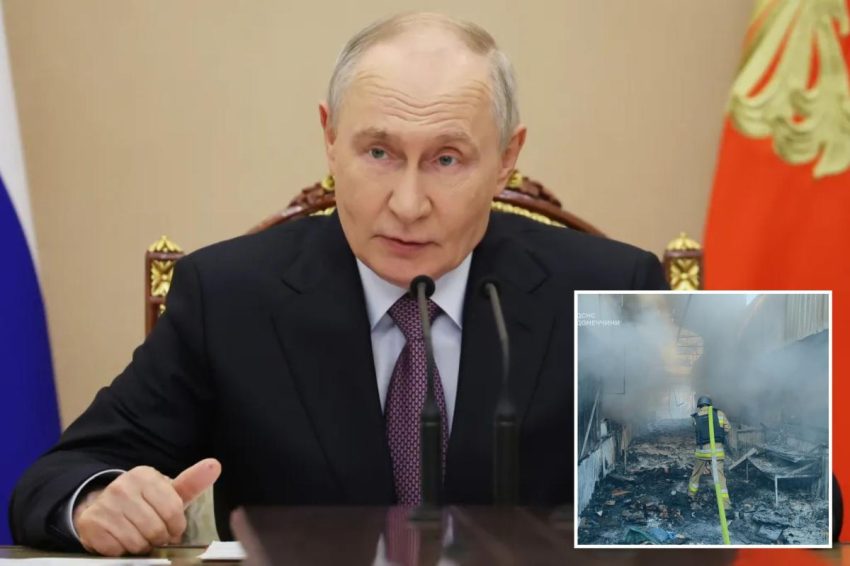
A Ukrainian drone attack on the Russian city of Nizhnekamsk killed 12 people and wounded 39 others on Monday, according to authorities in Russia’s Tatarstan region.
The press service of Tatarstan’s head, Rustam Minnikhanov, described the assault as a “massive” drone attack that struck industrial and civilian facilities on Monday morning. No further details were immediately available, and Ukrainian officials made no immediate comment on the strike.
The attack marks one of the deadlier incidents in a long-range aerial campaign that Ukraine has intensified in recent months, reaching far past the front lines and deep into Russian territory.
**A City Far From the Front Line**
Nizhnekamsk sits roughly 750 miles east of the Ukrainian border, well beyond the range most people associate with the fighting. The city has a population of about 240,000 and serves as an important center of Russia’s oil industry. It is home to two refineries and a petrochemical plant, making it part of the network of energy infrastructure that Ukraine has focused on in its long-range strikes.
The distance involved reflects how far Ukraine’s drone program has advanced. Ukraine’s domestically developed long-range drones have been flying increasing distances inside Russia, with some now reaching Siberia — around 1,200 miles from the border between the two countries.
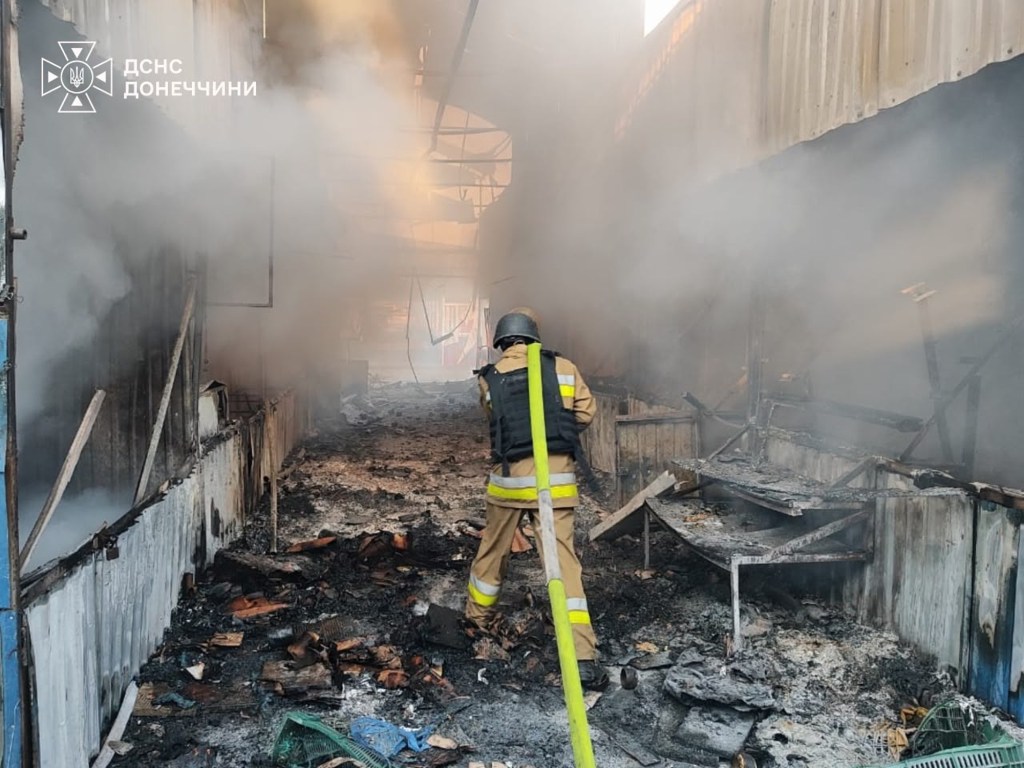
Ukraine has targeted Russian oil facilities with long-range drones almost daily in recent months. The sustained barrage has caused fuel shortages inside Russia, eaten into the country’s refining capacity, and unsettled the Russian public, bringing the consequences of the war to regions that had largely been insulated from it.
**Kyiv’s Stated Goal**
Ukrainian President Volodymyr Zelensky has said the drone campaign is intended to force Russian President Vladimir Putin to the negotiating table and bring an end to an invasion that has now stretched beyond four years.
Speaking late Sunday on social media, Zelensky framed the strikes as retaliation for Russian attacks on Ukraine.
“We do deliver entirely justified responses, and every Russian strike will be met with our response,” he said. “Russia’s war will be felt more and more at their own home – in Russia.”
He added: “The only reason this is still continuing is Russia’s unwillingness to end this war.”
The remarks came the day before the Nizhnekamsk attack, though Ukrainian officials did not directly claim responsibility for Monday’s strike.
**Strikes Continue in Both Directions**
The exchange of long-range attacks has continued on both sides. Russia has regularly battered Ukraine from the air using missiles, powerful glide bombs and drones, hitting civilian areas and causing thousands of civilian casualties, according to the United Nations.
Humanitarian operations have not been spared. The World Health Organization’s European office said Monday that one of its warehouses in Ukraine’s central Dnipro region had been struck twice in less than 24 hours.
The attacks destroyed emergency supplies worth an estimated $500,000 that had been intended for front-line health facilities, the agency said in a statement. Those supplies typically support hospitals and clinics operating closest to the fighting, where medical resources are already stretched thin.
The dual strikes on the WHO facility, coming within a single day, point to the difficulty aid organizations face in maintaining operations in regions that remain under regular aerial attack.
**A Widening Geography of War**
Taken together, Monday’s events illustrate how the geography of the conflict has expanded. What began as a ground invasion concentrated in Ukraine’s east and south has produced a long-range aerial contest in which cities hundreds of miles from any front line — on both sides of the border — now face the threat of attack.
For Russia, the strikes on refining hubs like Nizhnekamsk carry economic consequences beyond the immediate casualties. Refineries and petrochemical plants are central to the country’s export economy and to domestic fuel supply, and repeated damage to that infrastructure has already produced shortages that ordinary Russians have felt at the pump.
For Ukraine, the campaign represents a shift toward capabilities it has developed at home rather than received from allies. The reach of those systems — extending to Siberia, by some accounts — has changed the calculation for facilities that were once considered safely out of range.
Casualty figures from Monday’s attack were provided by regional authorities in Tatarstan. Independent verification of details from strikes inside Russia is often difficult, and no additional information about the circumstances of the deaths and injuries was immediately released.
Neither side has indicated any near-term movement toward negotiations. Zelensky’s Sunday statement placed responsibility for the continuation of the war on Moscow, while Russia has continued its own air campaign against Ukrainian cities and infrastructure.
The war entered its fifth year with no formal talks underway, and the pattern of long-range strikes and counterstrikes has become one of its defining features. The attack on Nizhnekamsk, with its combination of industrial targets and civilian casualties in a city far from the border, reflects the direction the conflict has taken.
As of Monday, authorities in Tatarstan had not released details on the extent of damage to the city’s refining and petrochemical facilities, or on how long any disruption to operations might last.