A Ukrainian drone attack on the Russian city of Nizhnekamsk killed 12 people and wounded 39 others on Monday, authorities in Russia’s Tatarstan region said, in one of the deadliest reported strikes to date in Ukraine’s expanding long-range campaign against Russian oil infrastructure.
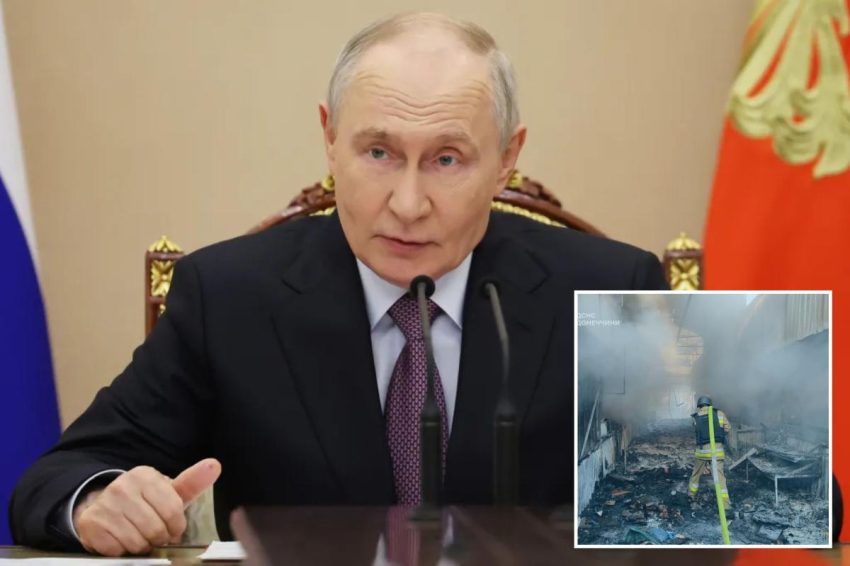
The city came under what officials described as a “massive” drone attack early Monday, according to the press service of Rustam Minnikhanov, the head of Tatarstan. The press service said the strike targeted both industrial and civilian facilities. No further details were immediately available, and officials did not say whether the casualties occurred at an industrial site, in residential areas, or both.
Ukrainian officials made no immediate comment on the attack.
Nizhnekamsk sits roughly 750 miles east of the Ukrainian border and has a population of about 240,000. It is a significant node in Russia’s energy industry, home to two oil refineries and a petrochemical plant. That combination — heavy industry inside a mid-sized city — has made facilities like it a recurring feature of Ukraine’s deep-strike campaign, and it places workers and residents in close proximity to the plants being targeted.
## A Campaign Aimed at Russia’s Refineries
For months, Ukraine has struck Russian oil facilities with long-range drones on a nearly daily basis. The sustained barrage has produced fuel shortages inside Russia, cut into the country’s refining capacity, and unsettled the Russian public — effects that reach well beyond the immediate damage at any single plant.
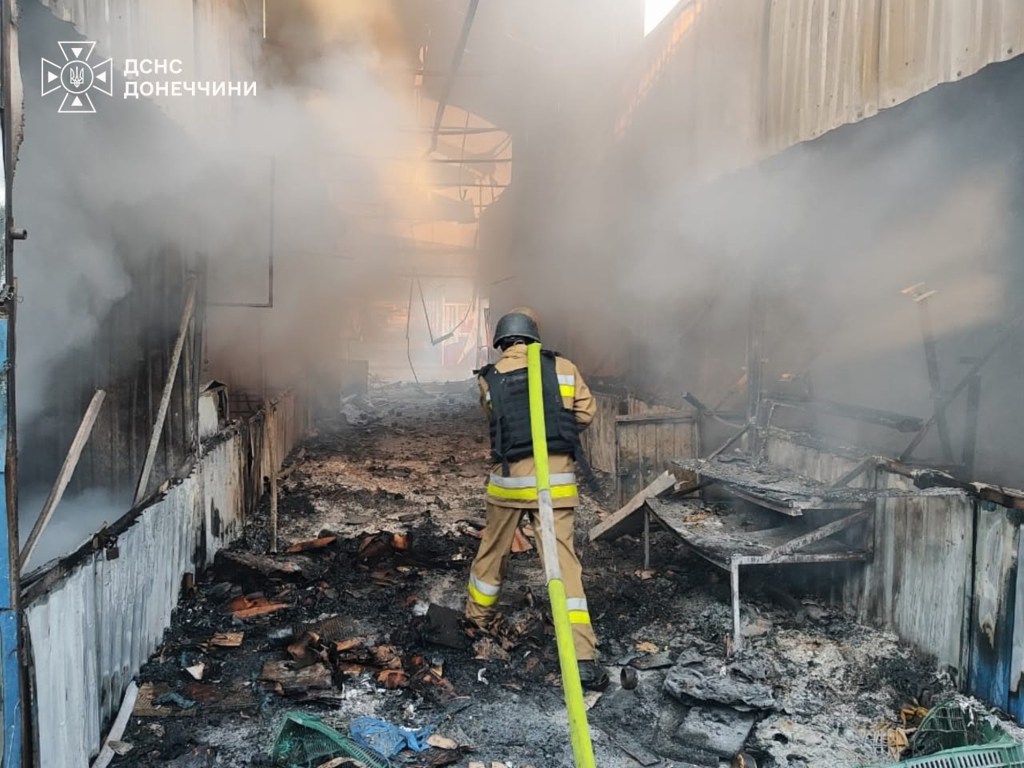
Ukrainian President Volodymyr Zelensky has described the effort as a pressure campaign with a specific political objective: forcing Russian President Vladimir Putin to the negotiating table and bringing an end to an invasion that has now stretched past four years.
“We do deliver entirely justified responses, and every Russian strike will be met with our response. Russia’s war will be felt more and more at their own home – in Russia,” Zelensky said late Sunday in a post on social media.

“The only reason this is still continuing is Russia’s unwillingness to end this war,” he added.
The reach of that campaign has grown considerably. Ukraine’s domestically developed long-range drones have flown progressively deeper into Russian territory, with some now reaching Siberia — roughly 1,200 miles from the border between the two countries. Distances of that scale mean that few Russian industrial regions can now be considered safely beyond range, a shift with implications for how Moscow allocates its air defenses across an enormous landmass.
For American readers following the war from a distance, the geography is worth pausing on. A strike 750 miles inland is roughly the equivalent of a drone launched near the Atlantic coast reaching the Midwest. Nizhnekamsk is not a front-line city. It is an industrial center far from the fighting, and Monday’s reported casualty figures reflect the risk that comes with extending a military campaign into densely populated areas built around refineries and chemical works.
## Strikes Continue in Both Directions
Monday’s attack came against the backdrop of a war in which both countries have carried out sustained aerial campaigns.
Russia has regularly battered Ukraine from the air, using cruise missiles, powerful glide bombs and drones. Those attacks have repeatedly hit civilian areas and have caused thousands of civilian casualties, according to the United Nations.
The humanitarian toll extends to the aid infrastructure meant to treat the wounded. The World Health Organization’s European office said Monday that one of its warehouses in Ukraine’s central Dnipro region had been struck twice in less than 24 hours.
The attacks destroyed emergency medical supplies valued at an estimated $500,000, the agency said in a statement. Those supplies had been intended for front-line health facilities — the clinics and hospitals closest to the fighting, where shortages are most acute and resupply is most difficult.
The loss of a single warehouse can ripple outward for weeks. Emergency stocks staged near the front are positioned there precisely because they can be moved quickly to where casualties arrive. Replacing them requires new procurement, new transport across a country under regular aerial attack, and new storage in a location that may itself be targeted.
## What Remains Unclear
Key details about the Nizhnekamsk attack had not been released as of Monday. Regional authorities did not specify which facilities were hit, the extent of the damage to the refineries or petrochemical plant, or whether operations there had been suspended. They also did not describe the condition of the 39 people reported wounded.
Ukraine’s silence on the strike is consistent with its general practice regarding operations deep inside Russian territory, where Kyiv frequently declines to confirm or deny responsibility for individual attacks even as its leadership publicly defends the broader campaign.
What is clear is that the pattern Zelensky described on Sunday — a war increasingly felt inside Russia itself — now includes a city of 240,000 people more than 700 miles from the border, and a reported death toll that places Monday among the more serious incidents of the campaign so far.